Inverter Repair
Most inverter faults are not a dead inverter — they are a handful of failed components on one board. We repair inverters at board level (chip level): the unit is opened on the bench, the faulty stage is traced with meters and bench power, and only the failed components are replaced with genuine parts. That is faster and far more economical than replacing the whole unit, and it keeps a good inverter in service for years.
We service hybrid solar inverters, on-grid inverters, off-grid inverters and UPS systems, from small home units to larger three-phase machines.
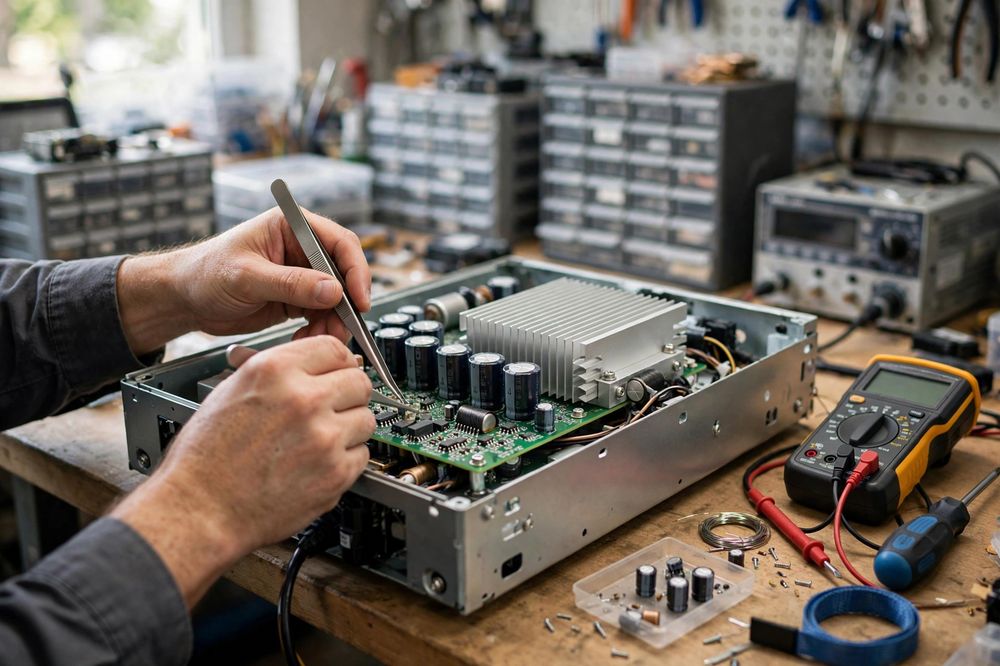
Brands we service: Growatt, Inverex, Fronus, Knox, Solis, Huawei, Sungrow, Voltronic / Axpert, Tesla, Crown — and most other makes using the same proven platforms. If your brand is not listed, ask us; if it is a board-based inverter, we can almost always test it.
Inverter Types We Repair
Each type of inverter works differently and fails differently, so each is tested stage by stage on the bench. These are the four families we repair every week:
Hybrid Solar Inverters
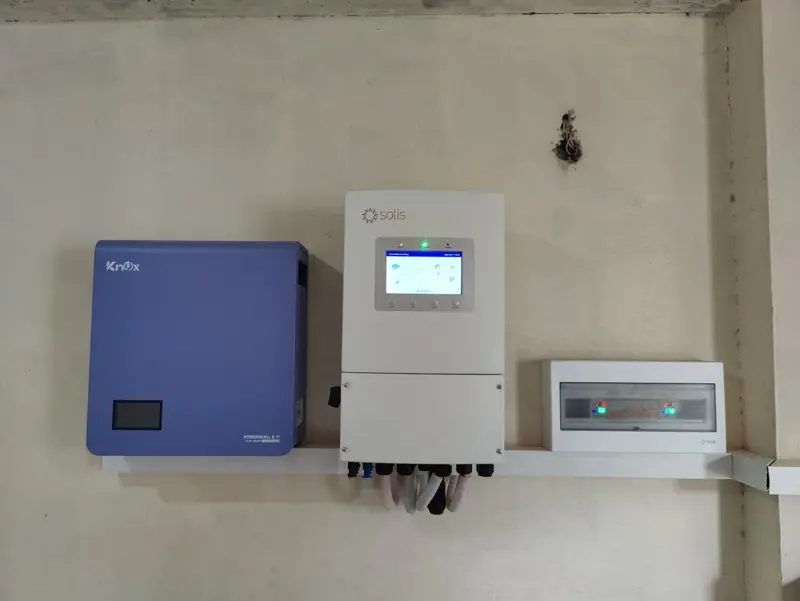
Hybrid units manage solar, grid and battery at the same time, so a fault can sit in the solar (MPPT) stage, the battery charger stage or the output stage. We test each stage separately, repair the failed one, and then verify the full changeover cycle — solar to battery to grid — before handover.
On-Grid Inverters
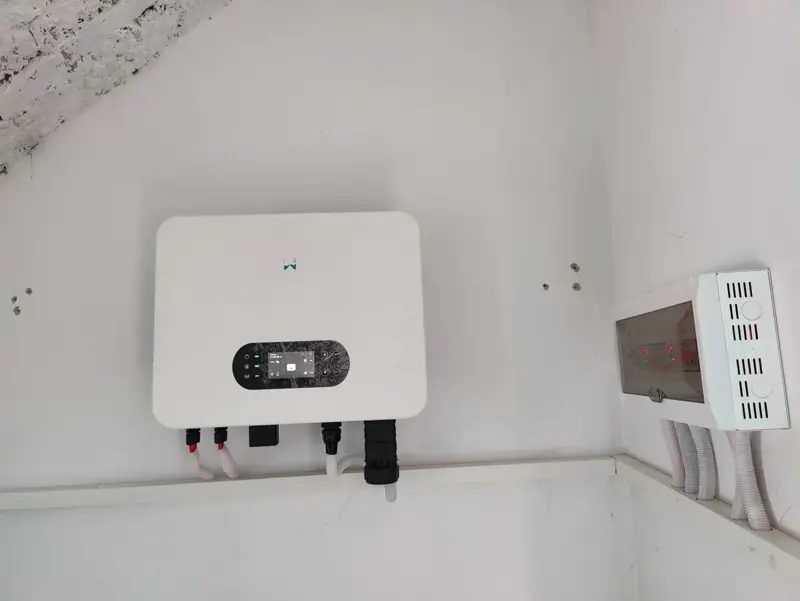
On-grid (grid-tie) inverters fail on sync and protection faults as often as on power parts: grid voltage/frequency errors, relay faults, DC injection protection trips and IGBT failures. We repair the power and control boards and confirm clean grid synchronisation on test.
Off-Grid Inverters
Off-grid units work hardest — they carry the full load, all the time, usually with a battery bank. Common work: output-stage IGBT replacement, charger faults, fan and cooling service, and settings correction so the unit stops abusing its batteries.
UPS Inverters
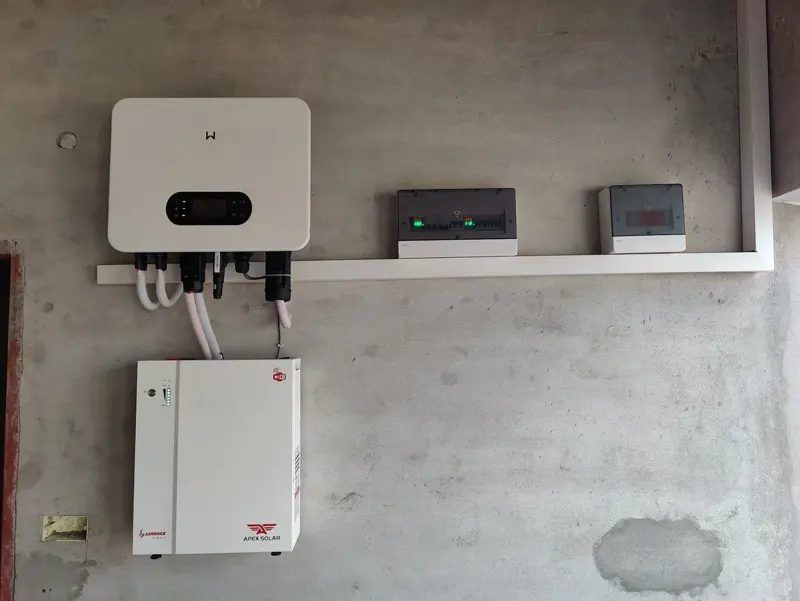
Home and office UPS systems: no-backup complaints, constant beeping, failure to switch over, and batteries that "charge" but hold nothing. We test the UPS and its batteries together, because half of all "UPS faults" are actually battery or terminal faults.
Common Faults We Fix
Every fault below is one we see regularly — listed with the cause we most often find, in plain language. If your inverter is doing any of these, it is asking for a bench test, not a replacement.
No output at all
The inverter is on (or completely dead) but delivers no power. Usually a failed output stage (IGBTs), a blown DC fuse, or a power-supply section on the main board that has stopped feeding the control circuits.
Not charging the battery
Solar or grid is available but the battery never fills. Causes: a failed charger stage, a faulty current sensor, wrong charge settings, corroded battery terminals, or a battery that can no longer accept charge.
PV / solar not detected
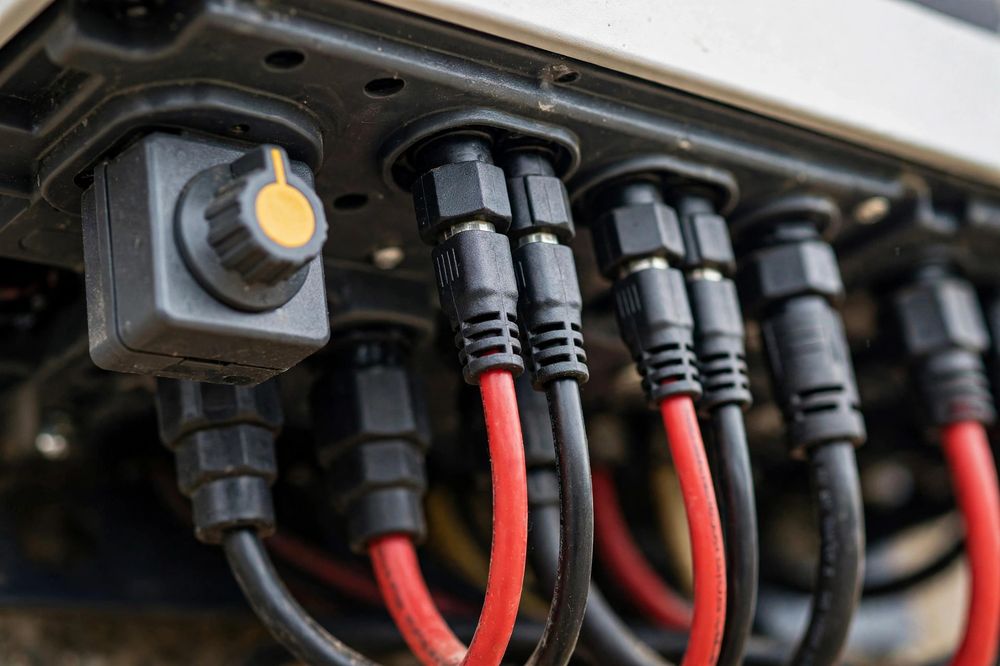
Panels are connected but the inverter shows no solar input. Causes: burnt or loose MC4 connectors, a tripped or failed DC breaker or isolator, reversed polarity, or a failed MPPT input stage on the board.
Fan failure / overheating
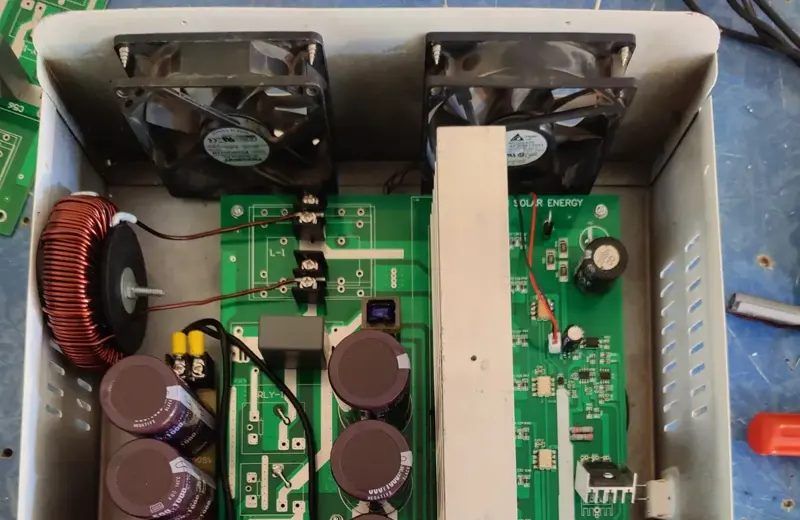
The inverter shuts down on hot afternoons or shows a temperature fault. Causes: a worn-out cooling fan, dust-choked heatsinks, or a failed temperature sensor. Left running, overheating is what kills IGBTs.
Relay clicking
Repeated clicking as the unit tries and fails to connect. Causes: a worn relay with burnt contacts, unstable grid voltage at the premises, or a weak relay-drive circuit on the control board.
DC bus faults
The inverter reports bus over/under-voltage or fails under load. Causes: aged DC bus capacitors that can no longer hold the bus steady, or a fault in the boost stage.
Display errors / fault codes
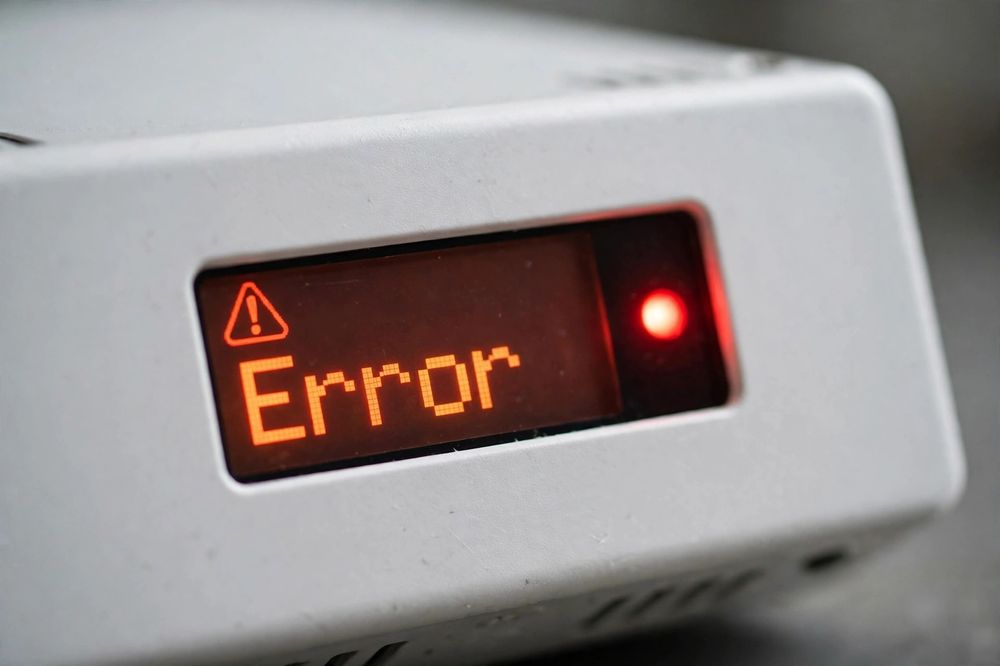
A code on the screen is the inverter protecting itself. We read the code, then trace the stage it points to — power board, driver board, sensing circuit or cooling — instead of just clearing it.
Low backup
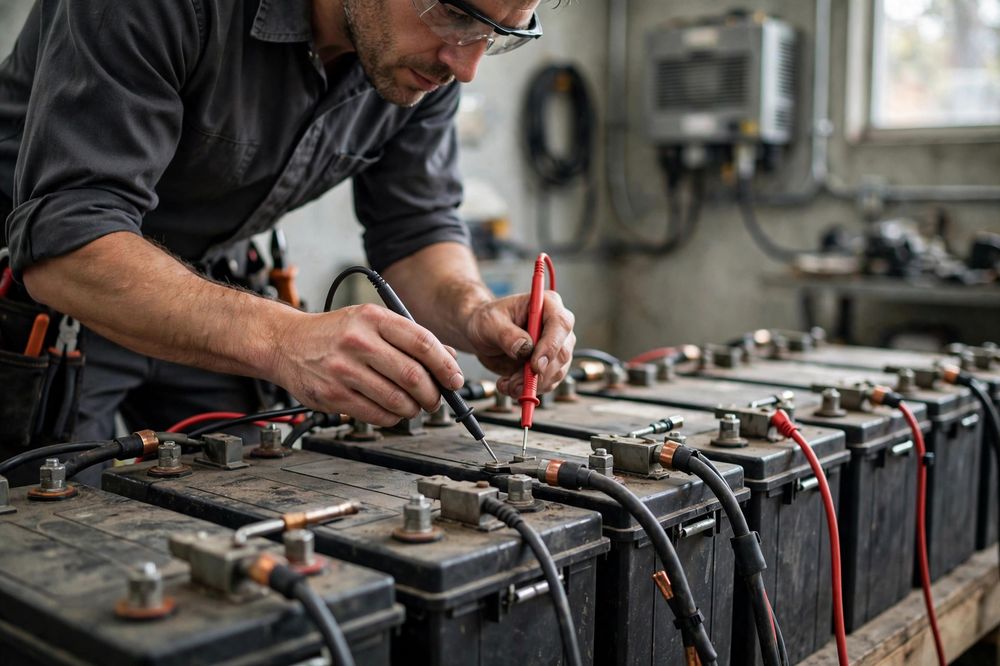
Backup time has shrunk to a fraction of what it was. Usually the battery bank (one weak battery drags the whole string down), high self-consumption settings, or a charger that stops early.
Frequent tripping
The inverter or its breaker trips again and again. Causes: overload habits, a failing output relay, earth leakage on the load side, or a protection circuit that has drifted out of calibration.
What Board-Level Repair Covers
Board-level repair means finding the failed components on the board and replacing only those — correctly rated, genuine parts, with the cause of the failure fixed as well. This is what a full repair can include:
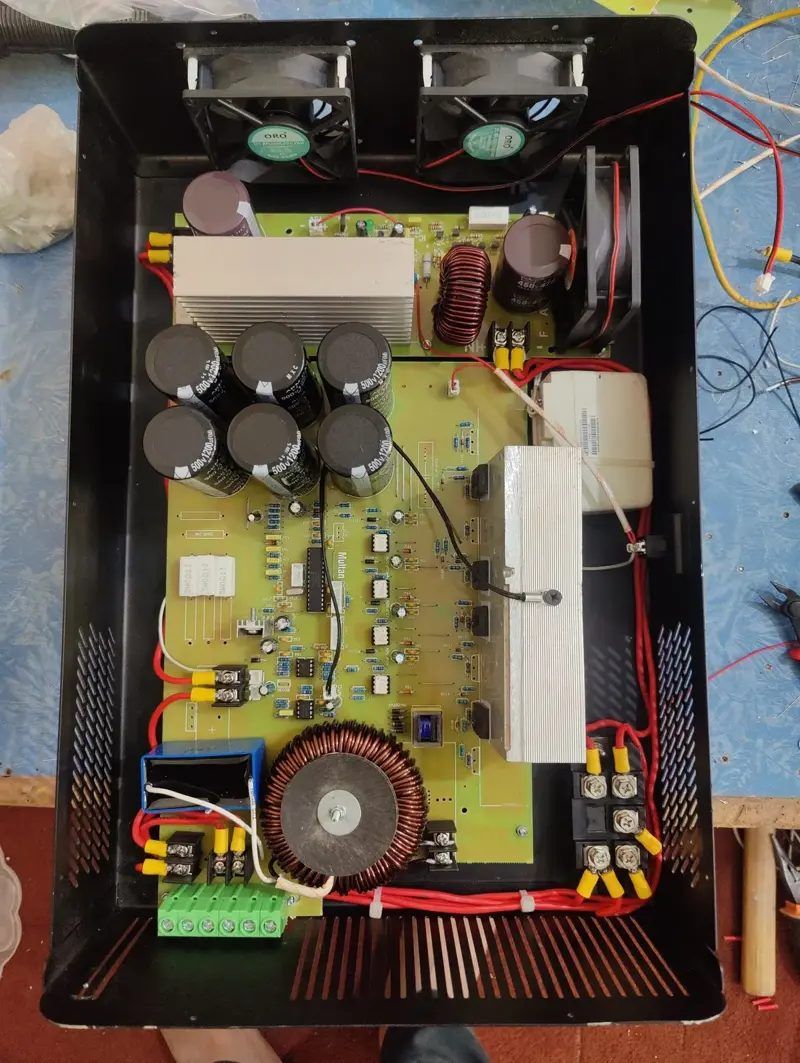
IGBT replacement
The power transistors that do the heavy switching. We fit correctly rated, genuine IGBTs/MOSFETs, renew the thermal compound and mounting, and check the driver stage that failed them — replacing IGBTs without fixing the driver fault is why cheap repairs fail again.
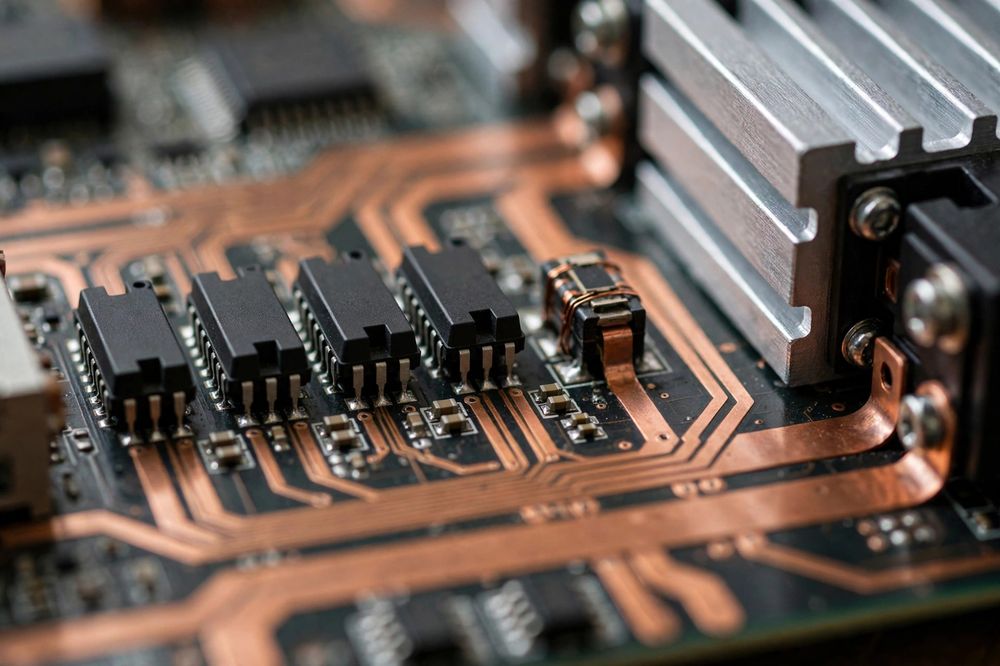
Gate driver & optocoupler repair
The small circuits that switch the IGBTs. Failed optocouplers (3120-class and equivalents) and burnt gate resistors are traced and replaced, and gate waveforms are verified before full power is applied.
Relay replacement
Output and bypass relays with worn or welded contacts are replaced with correctly rated relays, and the coil-drive circuit is checked.
Capacitor replacement
Bulged or dried-out electrolytic capacitors (DC bus and power-supply sections) are replaced with high-temperature, correctly rated parts — this alone revives many "dead" inverters.
Fan replacement
Cooling fans are replaced with the correct voltage/size, heatsinks are cleaned, and airflow is verified under load.
Firmware & settings
Where a fault is configuration rather than hardware: charge voltages, battery type, output priority, protection limits and error-log review are corrected and set to suit the installed battery bank.
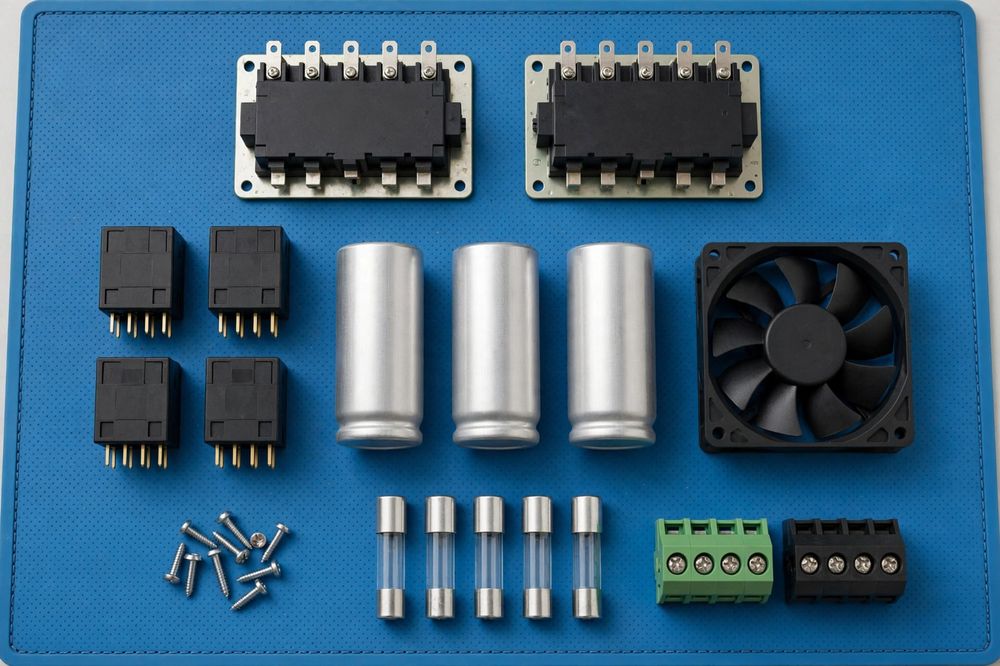
Genuine spare parts
Repairs are done with genuine, correctly rated components — IGBTs, relays, capacitors, fans, fuses and terminals — never underspec substitutes.
Our Repair Process — 5 Steps
Free diagnosis
The inverter is opened and tested on the bench; the faulty stage is identified. (Site-visit diagnosis for installed systems is arranged on WhatsApp.)
Fault report & estimate
You get the fault in plain language, what parts are needed, and the estimate — before any repair starts. No approval, no repair, no charge for the bench diagnosis.
Repair with genuine parts
The failed components are replaced, the cause behind the failure is corrected, solder work and thermal mounting are done to standard.
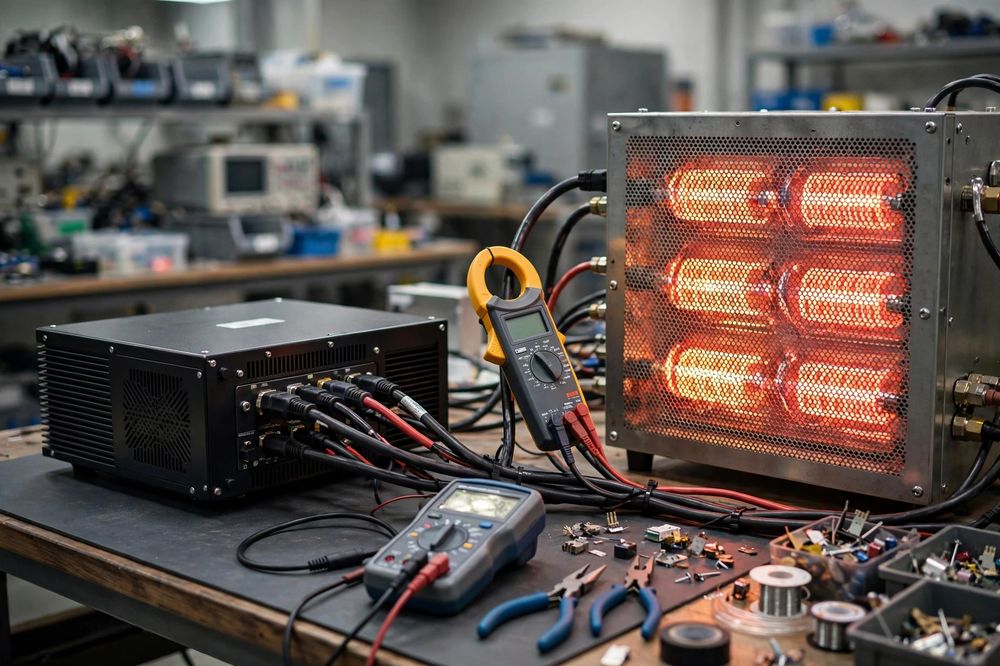
Full-load bench test
The repaired inverter is run at full load on the test bench: output voltage, charging, changeover and temperature are all watched before it is passed.
Handover with care notes
You receive the inverter back with the old parts, a note of what was changed, and the care points that will stop the same fault returning.
Repair vs Replace — An Honest Guide
Not every inverter should be repaired, and not every faulty inverter needs replacing. After the free diagnosis we will tell you plainly which side yours falls on — this is the guide we use:
Repair makes sense when…
- The inverter is a known, good brand and the fault is in one stage (power, driver, charger or cooling) — most faults are.
- The unit is under roughly 7–8 years old and its casing, transformer and main board are healthy.
- The display/control board works — the "brain" is alive, only the "muscle" has failed.
- A replacement unit would also mean new settings, rewiring or battery-bank changes.
Replacement is the better call when…
- The main board is burnt across multiple stages (for example after a severe lightning surge) — repair cost approaches a new unit.
- The model is obsolete and its control/display board is no longer obtainable, so a second fault could not be repaired later.
- The inverter was always undersized for the load — repairing it returns you to the same overloads that killed it.
- Repeated major faults in a short period point to a unit at end of life.
We will tell you plainly which side your inverter falls on after the free diagnosis — if replacement is wiser, we say so and can quote the new system instead.
Care Tips — Stop the Same Fault Coming Back
- Keep the air moving. Never box an inverter into a closed cabinet; leave clear space around the vents and keep the area dust-free. Heat is the number-one inverter killer.
- Clean filters and fans every few months in dusty conditions — a slow fan cooks the IGBTs long before it stops completely.
- Respect the rating. Continuous loads above ~80% of the inverter's rating, and heavy motor starts on a small unit, age the output stage fast.
- Protect the inputs. A correctly rated DC breaker/isolator on the PV side and surge protection on the grid side turn lightning season from a repair bill into a non-event.
- Look after the batteries. Tight, clean terminals; correct charge settings for the battery type; never let a bank sit discharged. Most "inverter faults" start at the battery.
- Act on the first warning. Beeping, clicking, a hot smell or a new fault code is the inverter asking for a service — running it until it dies turns a small repair into a big one.
Frequently Asked Questions
Do you charge for checking a faulty inverter?
Bench diagnosis is free. We open the unit, find the fault, and give you a fault report and estimate; you only pay if you approve the repair.
How long does a repair take?
Most board-level repairs are completed within 1–3 working days once approved, depending on parts. If a part has to be sourced, we tell you the timeline before starting.
My inverter shows a fault code. Can you tell me the problem from the code alone?
The code tells us which protection has triggered and where to start looking — but the same code can have several causes. A bench test confirms the real fault before any money is spent on parts.
Will a repaired inverter be as reliable as before?
Yes — provided the cause of the failure is fixed, not just the failed part. That is why every repair includes driver-stage checks and a full-load bench test before handover.
Do you repair inverters that another shop has already opened or attempted?
Yes. Bring it as it is — including any parts that were removed. Attempted repairs take a little longer to diagnose, and we will show you what we find.
My inverter works but the backup time has dropped. Is that an inverter fault?
Often it is the battery bank, not the inverter — one weak battery limits the whole string. We test the batteries and the charging stage together and show you which one is responsible before recommending anything.
Got an Inverter That Has Stopped Working?
Send us the fault code, a photo of the display, or just describe the symptoms on WhatsApp — we will tell you the likely fault and arrange a free bench diagnosis. If repair is not the wise option, we will say so honestly.
Chat on WhatsApp Get a Free Quote